Patching a Small Hole in Drywall: A Step-By-Step Guide for DIY Enthusiasts

Are small holes in your drywall making your walls look less than perfect? Don’t worry, patching them up yourself is easier than you think! With just a few simple tools and materials, you can restore your walls to their former glory. Follow this step-by-step guide on how to patch a small hole in drywall yourself.

Materials You Will Need:

  • Spackling compound
  • Putty knife
  • Sandpaper
  • Paint (matching the color of your wall)
  • Paintbrush or roller

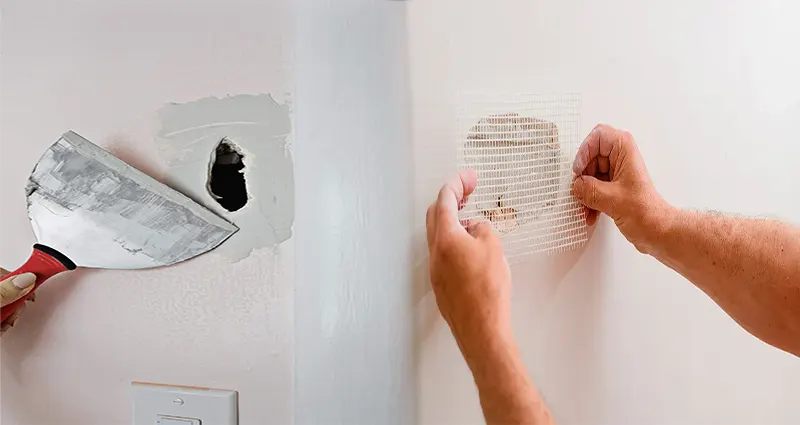
Step 1: Prepare the Area

Start by cleaning the area around the hole to remove any dust or debris. This will ensure that the patch adheres properly to the drywall.

Step 2: Fill the Hole

Using a putty knife, apply spackling compound to the hole. Press the compound into the hole and smooth it out with the knife, ensuring that it is level with the surrounding wall.

Step 3: Let it Dry

Allow the spackling compound to dry completely. This usually takes about 24 hours, but follow the instructions on the product for the best results.

Step 4: Sand the Area

Once the compound is dry, use sandpaper to smooth out the patched area. Be gentle with the sanding to avoid damaging the surrounding wall.

Step 5: Paint the Patched Area

Finally, paint over the patched area with a paint color that matches your wall. Use a paintbrush or roller to seamlessly blend the patch with the rest of the wall.

Congratulations! You have successfully patched a small hole in your drywall all by yourself. Enjoy … READ MORE >>>

Emergency Roof Repair Tips for Sudden Leaks

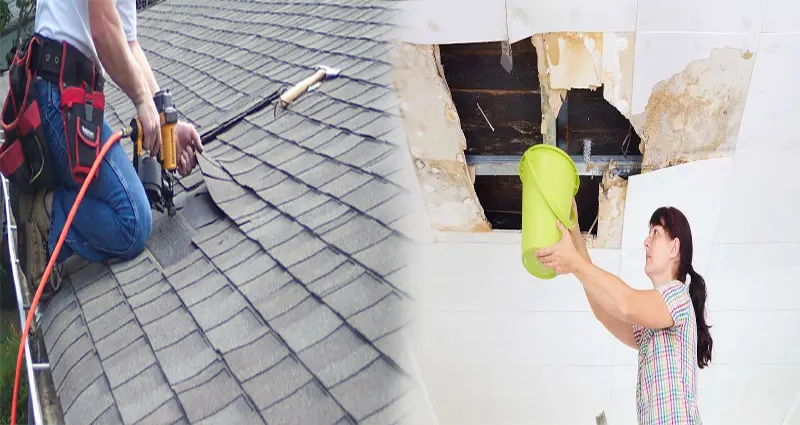
A sudden roof leak can be a homeowner’s worst nightmare, especially during a heavy storm or unexpected weather event. When faced with a leaking roof, it’s crucial to act quickly and take immediate steps to minimize water damage and protect your home. In this article, we will discuss emergency roof repair tips for dealing with sudden leaks and preventing further damage.

1. Identify the Source of the Leak

The first step in addressing a sudden roof leak is to identify the source of the problem. Look for signs of water staining on the ceiling, dripping water, or damp spots in the attic to pinpoint the exact location of the leak. Trace the path of the water to determine where the roof might be compromised.

2. Clear Debris from the Roof

In cases where a roof leak is caused by clogged gutters, debris buildup, or fallen branches, it’s important to safely clear the roof of any obstructions. Use a ladder and appropriate safety gear to remove debris and ensure that water can freely flow off the roof without being impeded.

3. Temporarily Patch the Leak

If you can safely access the area of the roof where the leak is occurring, consider applying a temporary patch to stop the flow of water. Use roofing cement, roofing tape, or a tarp to cover the damaged area and prevent water from entering the interior of your home. Remember that a temporary fix is just that – temporary. You will still need to address the … READ MORE >>>

DIY Guide for Fixing a Leaky Faucet in the Bathroom

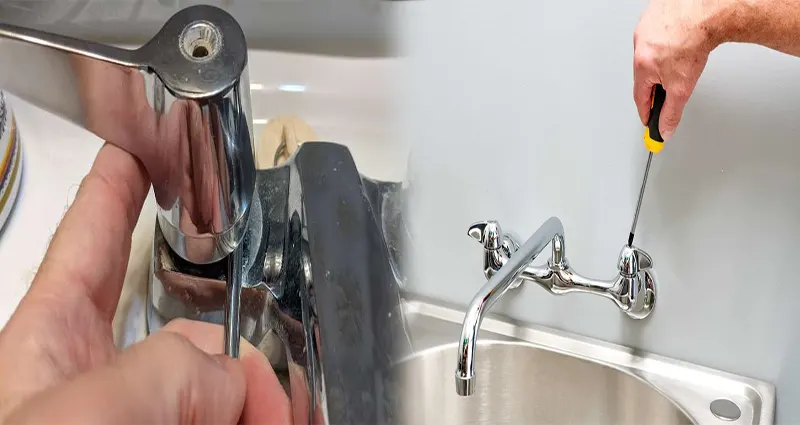
Are you tired of the constant drip, drip, drip of a leaky faucet in your bathroom? Not only can a leaky faucet be annoying, but it can also waste a significant amount of water and increase your utility bills. The good news is that fixing a leaky faucet is a common household repair that you can easily tackle on your own with just a few tools and some basic know-how. In this DIY guide, we will walk you through the steps to repair a leaky faucet in your bathroom.

Step 1: Gather Your Tools

Before you begin, make sure you have the necessary tools on hand. You will likely need an adjustable wrench, screwdriver, plumber’s grease, and replacement parts for the faucet, such as washers or O-rings.

Step 2: Turn Off the Water Supply

Locate the shut-off valves under the sink and turn off the water supply to the faucet you will be working on. This will prevent any water from flowing while you make the repair.

Step 3: Disassemble the Faucet

Use the screwdriver to remove the handle of the faucet. Once the handle is removed, you will have access to the cartridge or stem assembly inside the faucet.

Step 4: Inspect and Replace Parts

Examine the cartridge or stem assembly for any worn or damaged parts, such as washers or O-rings. These components are common culprits for causing leaks in faucets. Replace any worn parts with new ones.

Step 5: Reassemble the Faucet

Once you have replaced any … READ MORE >>>

Ten Tips For Choosing a Home Improvement Contractor

Choosing a home improvement contractor is no easy task. With so many choices and so little information, it can be difficult to tell the difference between good contractors and bad ones. The best way to ensure that your renovation project goes smoothly is to do your research ahead of time and ask lots of questions before signing anything. Here are some tips for vetting contractors:

Check references

  • Ask for references from previous clients.
  • Make sure to call the references and ask about the quality of work, communication, and timeliness.
  • Ask about their experience with the contractor as well as what they think about his/her professionalism and attention to detail.

Understand the contractor’s approach to work

You should also be sure to thoroughly understand the contractor’s approach to work. This includes their work ethic, communication skills, and ability to adapt to your needs. If a contractor is not willing to meet with you in person or via video chat before signing an agreement, that should be a red flag. You want someone who takes pride in their craft and will do everything they can for their clients–and if they won’t even talk with you before getting started on the project, then maybe they aren’t the right fit after all!

Inspect contractors, not just their work

Inspect contractors, not just their work

When you’re looking for a home improvement contractor, don’t just look at the finished product. Instead, inspect what they do and ask yourself if it’s up to your standards. Ask … READ MORE >>>

The Psychology of Selling A House

The process of selling a house is hard on homeowners. You have to figure out how much your home is worth, list it for sale, and deal with buyers who want to haggle over the price. But there’s more to selling a home than just trying to get the most money out of it. Research shows that buying and selling houses can be just as emotionally taxing—and even traumatic—as buying and selling cars or other large items that require significant commitments of time and money. The good news is that we know how psychology factors into these major life events, which means we can help you better understand what you’re going through when selling your home so that you can make an informed decision about whether now really is the right time for such an undertaking!

The intense work of fixing up a house can be rewarding, but it’s also exhausting.

Fixing up a home can be an incredibly rewarding experience, but it’s also exhausting. You have to put in a lot of time and effort to make your house look good enough to sell.

You may not get much sleep while you’re fixing up your house because you’ll probably have to work around the clock to get everything done before the deadline set by your real estate agent.

Research shows that people who sell their homes have to overhaul their living space when they buy a new one.

Research shows that people who sell their homes have to overhaul … READ MORE >>>