
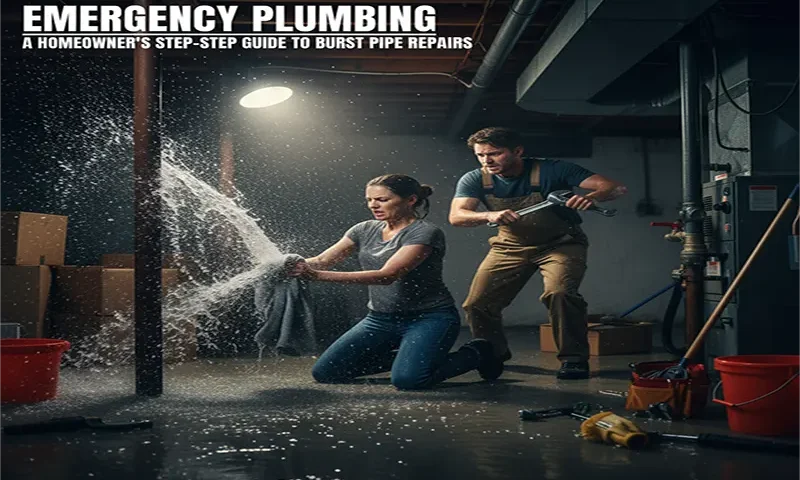
A burst pipe is one of the most stressful experiences a homeowner can face. The sound of rushing water, the sight of pooling moisture, and the immediate panic regarding potential structural damage can make it difficult to think clearly. However, acting swiftly and calmly in the first few minutes is the single most effective way to minimize damage and protect your home.
This guide outlines exactly what to do—and what not to do—to handle a plumbing emergency until professional help arrives.
1. The Critical First 5 Minutes: Safety-First Protocol
When a pipe bursts, time is your greatest enemy. Follow these steps immediately, in this order.
A. Shut Off the Main Water Valve
You must stop the flow of water to prevent catastrophic flooding.
- Locate the Valve: If you don’t already know where it is, check where the main water line enters your home—often in the basement, utility room, crawl space, or near the water meter.
- Operate the Valve:
- Ball Valves: Have a straight lever handle. Turn it a quarter-turn clockwise so the handle is perpendicular to the pipe.
- Gate Valves: Have a round wheel handle. Turn it clockwise multiple times until it is fully closed.
- Verify: Once off, turn on a faucet to confirm the water pressure has dropped and the flow has stopped.
B. Electrical Safety
Water and electricity are a lethal combination. If the burst pipe is near electrical outlets, appliances, or exposed wiring, you must cut the power.
- Locate your circuit breaker panel and switch off the power to the affected area.
- If you cannot safely reach the panel without wading through water, or if you suspect water has reached the electrical system, do not enter the area. Evacuate and call a professional.
C. Drain the Lines
Once the main water supply is off, open all cold water taps in your home. This drains the remaining water from the system and relieves pressure, which can prevent further leaking from the burst site.
2. Temporary Containment & Damage Mitigation
While you wait for an emergency plumber, focus on containing the mess.
- Containment: Use buckets, towels, and mops to catch water and prevent it from migrating to other areas or soaking into subflooring.
- Protect Valuables: Immediately move electronics, important documents, and furniture out of the affected area or elevate them onto blocks/shelves.
- “Quick Fixes”: If you can access the pipe, you may be able to temporarily slow a small leak using a pipe repair clamp or heavy-duty waterproof tape. Note: These are strictly temporary measures. Do not rely on them for long-term repairs, as they can fail unexpectedly.
3. Documenting for Insurance
Insurance adjusters require clear evidence to process claims. Before you begin any cleanup, document everything.
- Photos and Videos: Take wide-angle shots of each room affected, followed by close-ups of the burst pipe, the entry point of the water, and any damaged flooring, walls, or personal items.
- Inventory: Create a detailed list of all damaged items, including descriptions, purchase dates, and approximate values.
- Written Log: Write a brief, time-stamped note of exactly when the incident occurred, how you discovered it, and the immediate steps you took to mitigate the loss.
4. Finding the Right Emergency Plumber
Do not try to tackle a major pipe rupture on your own. You need a licensed professional.
Burst Pipe Emergency Checklist
| Action | Why it Matters |
| Call 24/7 Service | Emergencies don’t wait for business hours. |
| Verify Insurance | Ensures you aren’t liable for job-site accidents. |
| Confirm Credentials | A licensed plumber ensures work meets local codes. |
| Ask for Quotes | Get a clear estimate of parts/labor before work starts. |
The 5 Questions to Ask Before Hiring
- “Are you a licensed and insured plumber?” (Ask for proof; do not accept a general business license).
- “What is your estimated arrival time?” (Ask for a concrete window).
- “Do you have experience with emergency burst pipe repairs?” (You want a veteran of these specific, high-stress jobs).
- “Will you provide an itemized breakdown of costs?” (Avoid vague, “total-sum” quotes).
- “Do you offer a warranty on your repair work?”
5. Long-Term Prevention
Once the emergency is resolved and your plumbing is back to normal, take steps to ensure it doesn’t happen again:
- Insulate Exposed Pipes: Especially in unheated areas like attics, garages, and crawl spaces.
- Monitor Water Pressure: High pressure can stress pipe joints over time. A professional plumber can test this for you.
- Seasonal Inspections: Have a plumber inspect your system annually, particularly before winter if you live in a cold climate.
A burst pipe is a high-stakes emergency, but it does not have to be a permanent disaster. By staying calm, shutting off the water and electricity, documenting the damage for your insurer, and hiring a qualified, licensed professional, you can mitigate the impact and protect your home’s structural integrity.

