Singapore Property “Second Wave Demand”: Why the Real Buyers Don’t Enter at Launch in 2026
In Singapore’s property market, the spotlight is usually on launch day activity—queues, booking rates, and first-week sales performance. But experienced agents and investors know something different: the most meaningful demand often appears after the initial hype fades.
This is known as second wave demand, and in 2026, it is becoming one of the most important patterns shaping real estate performance.
1. What Second Wave Demand Actually Means
Second wave demand refers to buyers who enter the market after:
- Initial launch momentum slows
- Early buyers have secured preferred units
- Pricing clarity becomes more established
- Market sentiment stabilizes
These buyers are typically more analytical, less emotional, and more focused on long-term value rather than launch excitement.
They often determine whether a project has lasting strength or just short-term hype.
2. Why First Wave Buyers Are Not Always the “Smart Money”
First wave buyers tend to be influenced by:
- Marketing intensity
- Fear of missing out (FOMO)
- Limited-time promotions
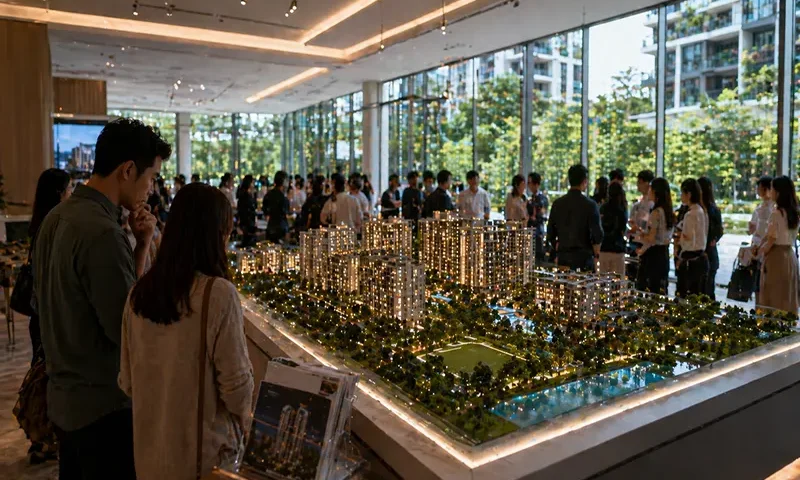
- Showflat experience
While early entry can secure good unit selection, it is not always driven by deep analysis of:
- Comparable resale value
- Long-term rental demand
- Micro-location strengths
- Supply competition nearby
This is why early demand alone does not fully represent a project’s true market performance.
3. Second Wave Buyers Are More Data-Driven
Second wave buyers typically enter after studying:
- Price per square foot comparisons
- Nearby competing developments
- Rental yield benchmarks
- Stack and layout efficiency differences
By the time they act, they have a clearer understanding of whether pricing is justified.
This makes second wave … READ MORE >>>