
Affordable Drywall Repair Contractors for Small Jobs: How to Hire Pros for Minor Fixes

We’ve all been there: a stray doorknob leaves a hole in the drywall, a ceiling leak leaves a persistent water stain, or an old repair job is cracking. You reach out to a professional drywall company, only to be told they only handle full-room projects or that their minimum fee is higher than the cost of the repair itself.

The “small job” paradox in home improvement is real. Large contractors prioritize high-profit, full-home projects, leaving homeowners with minor fixes in a lurch. However, finding affordable, professional help for these tasks is entirely possible if you change how you look for and communicate with contractors.

Redefining the Search: Where to Look

When a dedicated drywall contractor isn’t interested in a 2×2 foot patch, you need to widen your net. Small, localized repairs are often better suited for professionals who specialize in efficiency rather than volume.

  • Handyman Services: Local handymen are often the “sweet spot” for small drywall jobs. They are accustomed to diverse, small-scale tasks and often have the skill set to patch, sand, and texture efficiently.
  • Independent Residential Repair Specialists: Look for “repair and maintenance” businesses rather than “drywall installers.” These specialists are designed for the very tasks that big companies ignore.
  • Painting Crews: Surprisingly, many professional painting contractors offer minor drywall repair as an add-on service. Because they have to prep walls before painting, they are highly skilled at patching and seamless blending.

The Art of the “Small Job” Outreach

Contractors are often wary of small jobs because they … READ MORE >>>

What’s Hiding in Your Carpet After Rainy Weather

Excess moisture is never good news when it comes to your carpets. All that increased humidity creates ideal conditions for bacteria and mould to grow. This can exacerbate any allergies and make cleaning your precious rugs a nightmare.

Here’s what really happens to your carpets after rainy weather, and more importantly, what you can do about it.

Increased Humidity Leads to Mould and Mildew Growth

Most carpets absorb the excess moisture, which is very bad news for you because it creates the ideal environment for fungi to grow. You might notice a funky smell or weird stains that don’t go away, so keep an eye out for those.

If you want to keep mould at bay, try using a dehumidifier to remove that extra moisture. Also, let some fresh air in by opening windows or switching on a fan to air things out. Make sure you check your carpets regularly as well and tackle any issues you spot right away.

If you have a mould problem on your hands, it’s best to deal with it right away. You don’t want to breathe in the fungal spores. Ideally, you need to wash your carpets properly or just call in professionals to handle it for you.

How to Prevent Carpet Contamination

Keeping carpets clean after the rain means being smart about how you approach it. Firstly, put mats at all the doors. They’re great for catching mud, dirt, and wet stuff before it gets inside on the carpet.

It’s also a good … READ MORE >>>

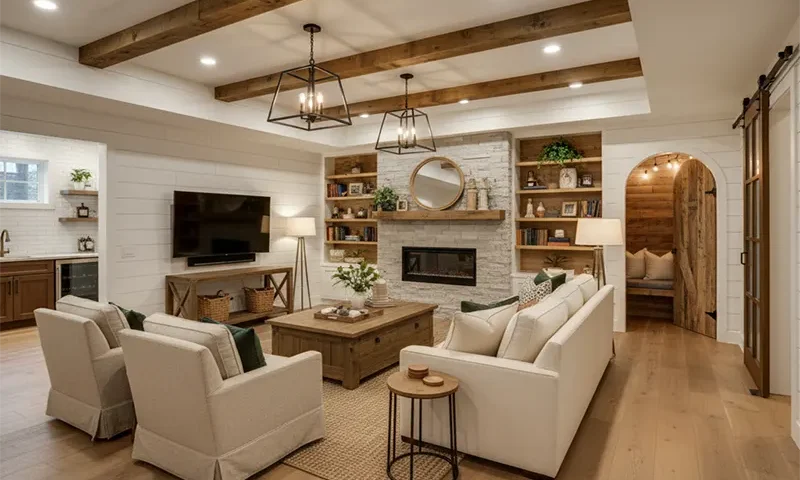
Elevating the Underground: Modern Farmhouse Basement Finishing Design Concepts

For many homeowners, the basement is the final frontier—a storage graveyard of holiday decor and unfinished projects. However, the basement holds the highest potential for adding square footage and value to your home. In 2026, the Modern Farmhouse aesthetic remains the gold standard for these spaces. Why? Because it strikes the perfect balance between the warmth of a rustic retreat and the crisp, clean lines of contemporary design, ensuring your subterranean level feels like a curated extension of your main floor rather than an afterthought.

The key to a successful modern farmhouse basement is intentionality. We aren’t looking for “country kitsch” here; we are aiming for a sophisticated, airy, and functional living space that elevates the home’s overall character.

The Material Palette: Mixing Rustic and Refined

A modern farmhouse basement lives or dies by its textures. The goal is to introduce natural, aged elements while grounding them in modern finishes to prevent the space from feeling dark or dated.

  • Rustic Textures: Use reclaimed wood sparingly. Instead of covering every wall, limit wood to a single feature wall or as ceiling beams to add architectural interest. Shiplap, when used, should be installed horizontally with tight gaps, painted in crisp white or soft greige, to provide clean lines.
  • Modern Contrasts: This is where the “modern” half of the aesthetic takes over. Incorporate matte black hardware on doors and cabinetry to provide a sharp, graphic contrast to white shiplap. For countertops, opt for honed soapstone or white quartz to keep the look clean.
READ MORE >>>
Commercial HVAC Contractors for Office Buildings: Navigating the 2026 Efficiency and Tech Revolution

The commercial real estate landscape in 2026 is defined by a “perfect storm” of regulatory mandates, rising operational costs, and a fundamental shift in how we define a “healthy” office. The days of treating HVAC as a “set-it-and-forget-it” utility are over. Today, the HVAC system is a strategic asset essential for tenant retention, ESG (Environmental, Social, and Governance) compliance, and workforce productivity.

For facility managers and developers, selecting the right commercial HVAC contractor now requires a focus on future-proofing against the 2026 refrigerant transition and mastering the integration of artificial intelligence.

Selecting a Future-Ready Contractor

In 2026, the criteria for vetting a contractor have shifted from basic mechanical repair to high-tech systems integration. As of January 1, 2026, the EPA has prohibited the installation of new systems using high-GWP (Global Warming Potential) refrigerants like R-410A.

The “New Standard” Vetting Checklist

When interviewing contractors for your office building, ensure they possess the following:

  • A2L Certification: Technicians must be specifically trained in handling “mildly flammable” A2L refrigerants (like R-32 and R-454B). This includes using spark-resistant tools and specialized recovery equipment.
  • BAS/BMS Fluency: Your contractor should be an expert in Building Automation Systems. They must know how to integrate HVAC hardware with BACnet or Modbus protocols to allow for centralized, data-driven control.
  • Simulation-First Modeling: Modern contractors use digital twins or energy modeling software to predict how a system upgrade will perform before a single bolt is turned.

The Technology Suite of 2026

Modern office climate control is no longer just about moving air; … READ MORE >>>

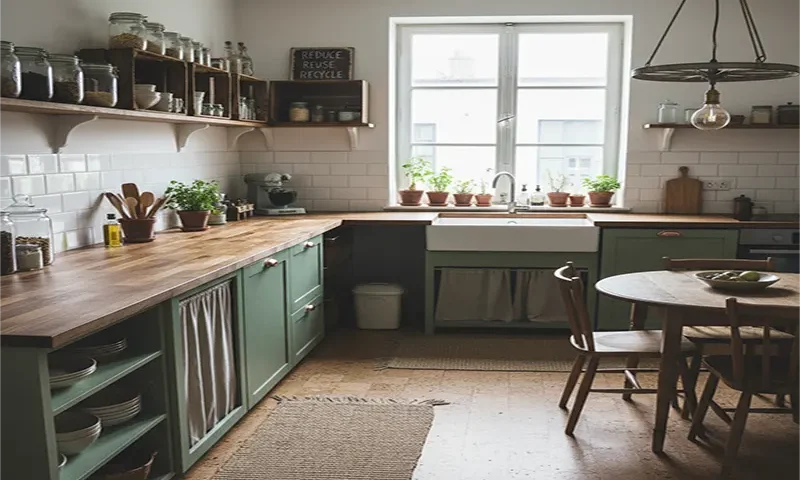
Eco-Friendly Kitchen Remodel Ideas on a Budget

Remodeling a kitchen is often viewed through the lens of granite countertops, professional-grade appliances, and custom cabinetry—all elements associated with high costs and significant environmental footprints. However, a new paradigm is emerging: the eco-friendly, budget-conscious kitchen remodel. This approach recognizes that true sustainability isn’t about buying the most expensive “green” products; it’s about minimizing waste, choosing durable materials, and maximizing energy and water efficiency, all while respecting your financial limits.

A sustainable kitchen remodel doesn’t require sacrifices. It simply demands smarter choices. When you opt for eco-friendly solutions, you are often choosing durable, long-lasting products that reduce your utility bills over time. This article explores how you can achieve a stylish, functional, and planet-friendly kitchen without breaking the bank.

The “Refurbish Over Replace” Philosophy

The greenest product you can use is the one that already exists in your kitchen. Demolition generates immense waste, and the production and transportation of new materials require substantial energy. The core of any budget eco-remodel must be “Refurbish, Reuse, and Upcycle.”

Breathe New Life into Cabinets

Cabinets are typically the single most expensive component of a kitchen remodel and the most material-intensive. Instead of ripping them out, consider these alternatives:

  • Refacing: If your cabinet boxes are structurally sound, keep them and simply replace the doors and drawer fronts. This uses a fraction of the wood required for new cabinets and saves thousands of dollars.
  • Painting: This is the most cost-effective solution. Sanding and repainting your cabinets can completely transform the space. However, standard paints are
READ MORE >>>