
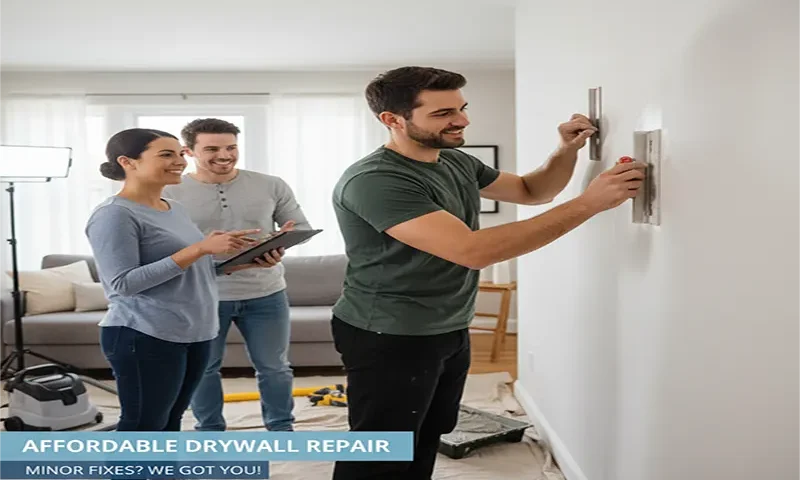
We’ve all been there: a stray doorknob leaves a hole in the drywall, a ceiling leak leaves a persistent water stain, or an old repair job is cracking. You reach out to a professional drywall company, only to be told they only handle full-room projects or that their minimum fee is higher than the cost of the repair itself.
The “small job” paradox in home improvement is real. Large contractors prioritize high-profit, full-home projects, leaving homeowners with minor fixes in a lurch. However, finding affordable, professional help for these tasks is entirely possible if you change how you look for and communicate with contractors.
Redefining the Search: Where to Look
When a dedicated drywall contractor isn’t interested in a 2×2 foot patch, you need to widen your net. Small, localized repairs are often better suited for professionals who specialize in efficiency rather than volume.
- Handyman Services: Local handymen are often the “sweet spot” for small drywall jobs. They are accustomed to diverse, small-scale tasks and often have the skill set to patch, sand, and texture efficiently.
- Independent Residential Repair Specialists: Look for “repair and maintenance” businesses rather than “drywall installers.” These specialists are designed for the very tasks that big companies ignore.
- Painting Crews: Surprisingly, many professional painting contractors offer minor drywall repair as an add-on service. Because they have to prep walls before painting, they are highly skilled at patching and seamless blending.
The Art of the “Small Job” Outreach
Contractors are often wary of small jobs because they fear “scope creep”—the moment a small hole turns into a complex structural issue. To get a “Yes,” you must prove you are an organized, prepared client.
The 5-Step “Small Job” Request Template
When you email or message a contractor, include this to ensure they take you seriously:
- Clear Photos: Include one wide-angle shot of the area and one close-up of the damage.
- Dimensions: State the approximate size of the repair (e.g., “A 6-inch diameter hole from a doorknob”).
- Location: Mention if it is a wall or ceiling, and if it is in an accessible area (e.g., “Main hallway wall, 4 feet off the floor”).
- Texture Type: Note if the wall is smooth, orange-peel, or knockdown (this helps them plan their tool kit).
- Your Flexibility: Mention that you are flexible with the timing, as this allows them to “fill in” the job around their larger projects.
Comparing Your Options
| Feature | DIY | Professional Handyman | Specialized Contractor |
| Cost | Low (Materials only) | Moderate | High |
| Texture Matching | Challenging | Good | Expert |
| Speed | Slow (Learning curve) | Fast | Very Fast |
| Best For | Very small holes/nicks | Small patches & cracks | Major damage/Room remodels |
Vetting for Quality on a Budget
“Affordable” shouldn’t mean “unprofessional.” Even for a small patch, you need to protect your home. Ensure your chosen pro meets these three non-negotiables:
- Insurance: Verify they have general liability insurance. A small patch job can still lead to a broken light fixture or a damaged floor.
- Portfolio: Ask for photos of past repair work, specifically the “after” photos showing how well the texture was matched.
- License: Check local requirements. While some areas don’t require licenses for minor repairs, hiring a registered professional provides an extra layer of accountability.
Understanding the Costs
Homeowners are often surprised by the “minimum trip charge.” Even if a repair takes only an hour to physically complete, the contractor has to account for travel, setup, and cleanup time. Expect to pay a minimum of $150–$300 for a single small job. This is standard and covers the contractor’s overhead for the time they are diverted from larger work.
The “Quality Control” Checklist
Before the pro leaves, use this checklist to ensure the job is complete:
- The Texture Test: Stand at an angle to the light source. Does the patch texture blend seamlessly into the surrounding area, or is there a noticeable “halo” or hump?
- Dust Control: Did they use proper dust containment (like plastic sheeting or HEPA vacuums)? A pro shouldn’t leave your house coated in white drywall powder.
- Blending: If they were supposed to prime and paint, ensure the patch doesn’t “flash” (look different) once dry. If the surrounding wall is aged, a perfect paint match may require painting the entire wall corner-to-corner.
Securing an affordable contractor for small drywall repairs isn’t about luck; it’s about being the type of client a professional wants to work with. By providing clear information, managing expectations regarding trip fees, and focusing on specialists like handymen or painters, you can ensure your walls are restored to perfection without paying for a full-scale remodel. Patience and clear communication remain your best tools for a job well done.

