
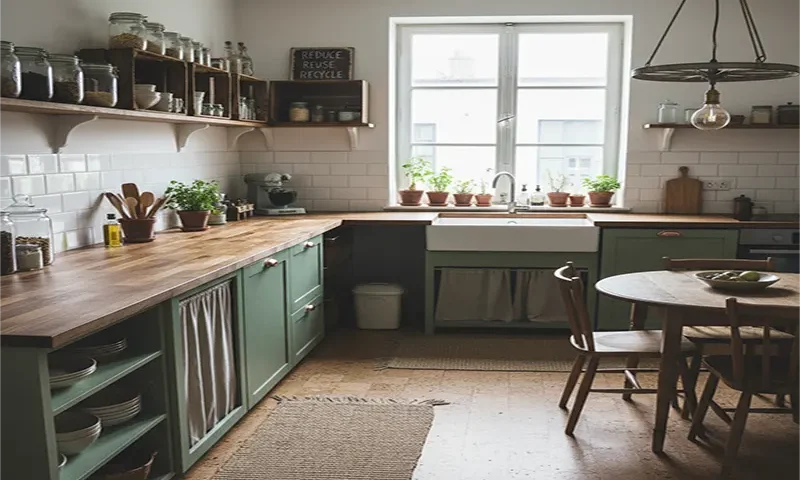
Remodeling a kitchen is often viewed through the lens of granite countertops, professional-grade appliances, and custom cabinetry—all elements associated with high costs and significant environmental footprints. However, a new paradigm is emerging: the eco-friendly, budget-conscious kitchen remodel. This approach recognizes that true sustainability isn’t about buying the most expensive “green” products; it’s about minimizing waste, choosing durable materials, and maximizing energy and water efficiency, all while respecting your financial limits.
A sustainable kitchen remodel doesn’t require sacrifices. It simply demands smarter choices. When you opt for eco-friendly solutions, you are often choosing durable, long-lasting products that reduce your utility bills over time. This article explores how you can achieve a stylish, functional, and planet-friendly kitchen without breaking the bank.
The “Refurbish Over Replace” Philosophy
The greenest product you can use is the one that already exists in your kitchen. Demolition generates immense waste, and the production and transportation of new materials require substantial energy. The core of any budget eco-remodel must be “Refurbish, Reuse, and Upcycle.”
Breathe New Life into Cabinets
Cabinets are typically the single most expensive component of a kitchen remodel and the most material-intensive. Instead of ripping them out, consider these alternatives:
- Refacing: If your cabinet boxes are structurally sound, keep them and simply replace the doors and drawer fronts. This uses a fraction of the wood required for new cabinets and saves thousands of dollars.
- Painting: This is the most cost-effective solution. Sanding and repainting your cabinets can completely transform the space. However, standard paints are high in Volatile Organic Compounds (VOCs). Always choose low-VOC or zero-VOC paints. These paints release fewer toxins, improving your indoor air quality and minimizing environmental harm.
- Update the Hardware: Swapping out old knobs and pulls for newer models (perhaps made from recycled materials or sourced from architectural salvage) is a quick win that provides a disproportionately high visual impact for a very low cost.
Sustainable Material Choices
When you must introduce new materials, prioritize those that are recycled, rapidly renewable, or certified as sustainably sourced.
Affordable, Green Countertops
The market for sustainable countertops has exploded, but many options—like paper composite or high-end recycled glass—can be pricey. Look for these budget-friendly alternatives:
- FSC-Certified Butcher Block: Wood is a renewable resource, provided it is sourced correctly. Look for countertops with the Forest Stewardship Council (FSC) certification, which guarantees the wood comes from responsibly managed forests.
- Bamboo: Technically a grass, bamboo grows rapidly and regenerates without replanting. It provides a distinct, clean aesthetic and is relatively inexpensive. Ensure it is processed with non-toxic, urea-formaldehyde-free glues.
- Butcher Block Inlays: If a full countertop replacement is not in the budget, consider integrating a recycled wood butcher block cutting station into your existing countertop.
Flooring on a Budget
When selecting flooring, durability is key. A cheap floor that needs replacing in five years is neither cheap nor eco-friendly.
- True Linoleum: Do not confuse linoleum with vinyl (PVC-based sheets). True linoleum is made from natural materials like linseed oil, pine rosin, and cork dust. It is durable, biodegradable, anti-microbial, and often less expensive than high-end ceramic tiles.
- FSC-Certified or Reclaimed Wood: If you already have wood flooring, refinish it. If not, look for engineered wood with an FSC-certified veneer, or source reclaimed wood for a unique, character-filled floor.
High-Efficiency Appliances on a Budget
The operating costs of appliances often exceed their initial purchase price. Upgrading to high-efficiency models is a cornerstone of an eco-remodel.
Navigating Energy Star
Look for the blue Energy Star label on refrigerators, dishwashers, and washing machines. These appliances meet strict energy-efficiency guidelines set by the EPA and DOE, significantly reducing your electricity and water use.
The Strategy for Buying Smart
You can secure highly efficient appliances without paying full price:
- “Scratch and Dent”: Retailers offer substantial discounts on new appliances that suffered minor cosmetic damage (dents, scratches) during shipping. The warranty is still intact, and the appliance functions perfectly.
- Architectural Salvage or ReStores: Organizations like Habitat for Humanity ReStores sell donated appliances that are often in great condition and have many years of efficient life left. This diverts waste from landfills and supports a charitable cause.
Low-Flow & Energy-Saving Fixtures
Water scarcity is an increasing concern. Small, inexpensive changes to your fixtures can generate massive water savings.
Faucets and Water Use
Installing a low-flow aerator on your kitchen faucet is the ultimate budget-friendly upgrade. This inexpensive screw-on device mixes air with the water flow, providing a steady stream while reducing water usage by up to 50% without affecting performance.
Cooking and Induction
While many homeowners are accustomed to gas, induction cooktops are the most energy-efficient cooking technology available. They use electromagnetic fields to heat the cookware directly, transferring nearly 90% of the energy into cooking, compared to about 40% for gas and 74% for traditional electric. They also improve indoor air quality by eliminating the combustion byproducts associated with gas.
Lighting and Waste Management
These final details complete the eco-remodel.
The LED Transition
Lighting is one of the easiest eco-upgrades. If you haven’t already, transition every bulb in your kitchen to LED (Light Emitting Diode). They use 75% less energy and last 25 times longer than incandescent lighting. Look for warm-toned (2700K-3000K) bulbs to maintain the inviting ambiance of your kitchen.
Built-in Responsibility
An eco-friendly kitchen should encourage sustainable habits. Integrate a simple waste management station within your cabinetry. A dual pull-out bin for recycling and regular trash makes sorting easy, and a small, charcoal-filtered countertop bin for food scraps can collect compost material, reducing methane-generating organic waste in landfills.
5 Quick Wins for Under $100
Here are five immediate, budget-friendly actions you can take today for a greener kitchen:
- Install a Faucet Aerator: (Cost: <$10). Reduces water flow immediately.
- Switch to LED Bulbs: (Cost: $20–$40 for the kitchen). Instantly drops energy usage.
- Replace Cabinet Hardware: (Cost: $50–$100). Found at salvage stores or online.
- Add a Composting Bin: (Cost: $25–$50). A sleek countertop bin encourages composting.
- Get a Zero-VOC Paint Sample: (Cost: $10). Paint just one feature, like a small island or a section of cabinetry, to test the look.
An eco-friendly kitchen remodel on a budget requires a shift in mindset. It isn’t about grand gestures and expensive purchases; it is about the careful stewardship of resources. By prioritizing the repair of existing components, choosing sustainable materials like bamboo or recycled glass, and optimizing the efficiency of water and electricity through low-flow fixtures and LED lighting, you create a space that is as gentle on the planet as it is on your finances.
Sustainable remodeling is not just an aesthetic trend; it is an investment in the long-term sustainability of your home, reducing operating costs while creating a healthier indoor environment. Start with one simple project from the list above, and begin your journey toward a truly green kitchen.

