
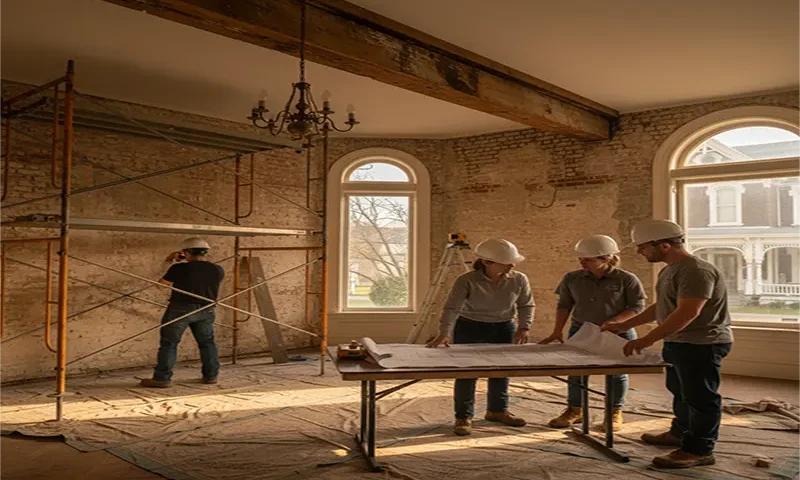
Preserving the Past: How to Hire General Contractors for Historic Home Structural Repairs
Owning a historic home—specifically one built prior to 1940—is a unique privilege that comes with an immense responsibility: stewardship. Unlike modern suburban builds, historic homes are organic entities that respond to environmental changes in specific, often temperamental ways. When structural issues arise, you face the “Historic Home Structural Paradox”: modern building codes, which favor rigid, high-strength materials, often clash with the flexible, breathable systems used in historic construction.
Hiring a general contractor for structural repairs on a historic asset is not the same as hiring for a new build. It requires a contractor who understands that the goal is not merely “fixing” a problem, but stabilizing and preserving the integrity of the original architecture.
The Anatomy of Historic Structural Failure
Historic homes were built with different materials and philosophies. Common structural issues include:
- Fieldstone Foundation Seepage: Many pre-1900 foundations were built using fieldstone and lime mortar. They weren’t designed to be “waterproof” in the modern sense; they were designed to “breathe.” Sealing these with modern, rigid Portland cement can trap moisture, causing the stone to spall and the foundation to fail.
- Balloon-Frame Rot: Many historic homes utilize “balloon framing,” where studs run continuously from the foundation to the attic. This allows fire to spread rapidly and provides a pathway for water and rot to travel vertically, often undetected.
- Settling and Unreinforced Masonry: Historic brick buildings often lack the steel reinforcement of modern masonry. Over a century, natural settlement can lead to distinctive “stair-step” cracks that require specialized brick-and-mortar stabilization.
Vetting
… READ MORE >>>